Door, Window, Motion & Glass Break Sensors for Your Home
The silent watchers around your home. Sensors that detect when a door opens, a window slides, glass breaks, or someone moves where they shouldn't. Quiet protection, always on.
The most important parts of a security system are the parts you'll never see.
Cameras get the attention. They're visible. They feel important. But behind the cameras, inside the walls, and along every door and window of your home, there's a quieter layer doing the real work. Sensors. Tiny devices that detect when something opens, moves, or breaks, and send a signal the moment it happens.
A camera shows you what's already happening. A sensor catches it the instant it begins. Together, they cover what no single device can.
Not sure how many sensors your home needs?
Tell us about your home and we'll recommend the right combination. Free consultation, no pressure.
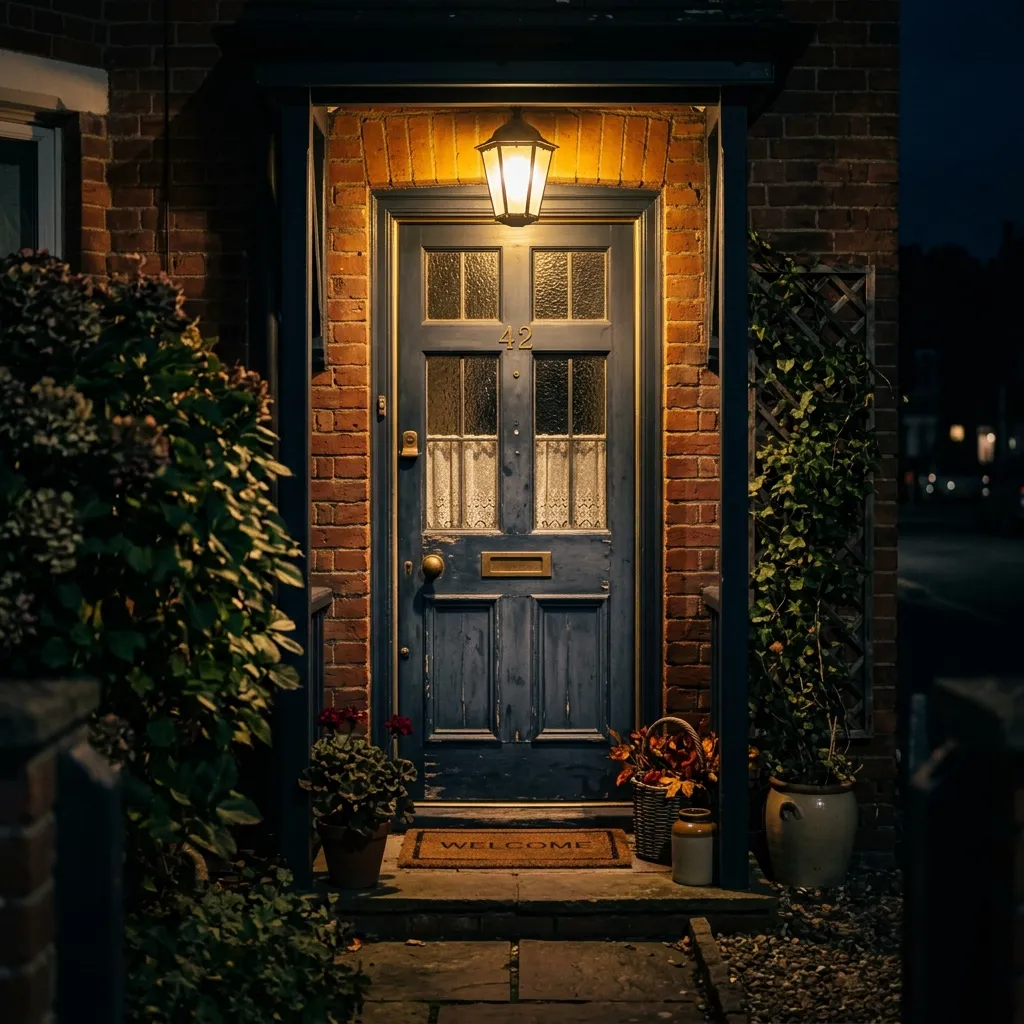
Door and Window Sensors: The Foundation
Door and window sensors are the most important sensors in your system. They cover the points where intruders actually enter your home. They work using a simple magnetic system: one piece on the frame, one piece on the door or window. When the two separate, the sensor triggers an instant alert.
Two types matter. Surface-mount sensors attach to the outside of the frame with a peel-and-stick adhesive: easy to install, easy to replace, and renter-friendly without major modification (always check your lease before installing in a rental). Recessed sensors tuck inside the frame and are nearly invisible once installed, but they require a small hole drilled into the frame.
Our advisor's take
Cover every exterior door (front, back, garage entry, basement walkout) and every ground-floor window that opens. For most single-family homes, that's three to five door sensors plus two to four window sensors. Sliding glass doors and patio doors are commonly missed and matter just as much.
Motion Sensors: Catch What Door Sensors Miss
Motion sensors cover the open spaces inside your home. Hallways, stairwells, large rooms — anywhere someone could move once they're inside. Most home motion sensors use passive infrared (PIR) technology, which detects body heat as a person moves through the sensor's field of view.

Pet-Immune Motion Sensors
This is the number one question we get asked about motion sensors. "Will my dog set off the alarm every time he walks through the living room?" The answer used to be yes, and it caused real frustration. Many cities fine homeowners for repeat false alarms, and some put repeat offenders on a "do not respond" list.
Modern pet-immune motion sensors solve this. Most are calibrated to ignore animals up to 40 pounds, with higher-tier models accommodating pets up to 80 pounds. Some let you adjust sensitivity based on the specific size of your pets.
Our advisor's take
Even pet-immune sensors aren't perfect. A cat climbing furniture can sometimes trigger them. A very large dog might still cross the threshold. We ask about every pet during your free consultation, then handle placement (typically four to six feet off the ground, away from stairs, in corners for the widest coverage) to avoid false alarms specific to your home.
Worried about your pets
triggering false alarms?
Our advisors specialize in setups for homes with dogs and cats. Let's talk about your home, your pets, and the right placement.

Glass Break Sensors: For When They Don't Use the Door
Some intruders bypass door sensors by going through windows instead. Picture windows that don't open, sliding glass doors, and French doors are common targets because they offer large openings without much resistance. Glass break sensors cover this gap by listening for the specific sound of breaking glass.
They use built-in microphones tuned to recognize two sounds in sequence: the "thud" of impact followed by the "crash" of shattering glass. This dual-sound detection avoids false alarms from dropped dishes or slamming doors. Most home glass break sensors cover a 20-foot radius with 360-degree horizontal coverage, which usually means one sensor protects an entire average-sized room. Very large rooms (over 25 feet across) may need a second sensor.
Where Sensors Belong: A Quick Reference
Placement matters as much as the sensors themselves. Here's the short version our advisors use when walking through homes:
| Sensor Type | Where It Belongs |
|---|---|
| Every exterior door. Front, back, side, garage entry, basement walkout, balcony. | |
| Ground-floor windows that open. Second-floor windows near climbable surfaces (porch roofs, sheds, trees). | |
| Rooms with picture windows, sliding glass doors, or French doors. One sensor covers most rooms up to 20 feet. | |
| Choke points: main hallways, top of staircases, foyers, open living areas. Mount in corners, four to six feet off the ground, away from HVAC vents and direct sunlight. |
SOCIAL PROOF
What Homeowners Are Saying
Real homeowners. Real installs. Real results.
"[INSERT REAL TESTIMONIAL — focus on pets and pet-immune sensors, 2-3 sentences.]"
— [First Name] [Last Initial], [City, State]
"[INSERT REAL TESTIMONIAL — focus on glass break or window sensors catching attempted break-in.]"
— [First Name] [Last Initial], [City, State]
"[INSERT REAL TESTIMONIAL — focus on professional installation and proper placement.]"
— [First Name] [Last Initial], [City, State]
Why Homeowners Choose Home Secure Connect
We don't oversell sensors. We don't push equipment you don't need. That's exactly why homeowners trust us to protect every entry point.
Get a Free Sensor QuoteRight-Sized Setups
We don't oversell. If your home needs four sensors, we recommend four. If you need ten, we recommend ten.
Professional Placement
Where a sensor goes matters as much as which sensor you choose. Our installers know exactly where to mount them.
One Connected System
Sensors integrate with your cameras, smart locks, and monitoring through a single app. Not a patchwork.
Ongoing Support
False alarms after install? We come back and adjust placement until the issue is solved. Real humans, every time.
Frequently Asked Questions
For an average single-family home, a starter setup includes one sensor on every exterior door, sensors on ground-floor windows that open, one or two glass break sensors covering rooms with large windows or sliding doors, and one or two motion sensors covering hallways and main living areas. Larger homes need more. Apartments and small homes need fewer. We walk through your specific home during the free consultation and recommend an exact setup.
Not if your sensors are pet-immune and properly placed. Pet-immune motion sensors are designed to ignore animals below a specific weight (typically 40 pounds, with some models up to 80 pounds). The key is correct placement: mounting at the right height, aiming away from staircases pets climb, and adjusting sensitivity for your specific pets. Our advisors handle this during installation.
The best place for a motion sensor is a "choke point": a spot every visitor would have to pass through to get from one part of your home to another. Common spots include main hallways, the top or bottom of a staircase, and the foyer just inside the front door. Mount four to six feet off the ground, aim into the room (not toward windows or HVAC vents), and use corners for the widest field of view.
Often yes, especially for rooms with picture windows that don't open, sliding glass doors, or French doors. A window sensor only triggers if the window opens. A glass break sensor triggers if the glass shatters, whether the window opens or not. Many homeowners use both for full protection.
Most modern wireless sensors have battery lives of three to five years. The central security panel monitors each sensor's battery level and alerts you well before any sensor goes offline. Replacement is a simple lithium battery swap that takes under a minute per sensor.
Yes. Wireless sensors run on their own batteries, so they keep working through power outages. The central security panel has its own battery backup, typically lasting 24 hours or more. Many professionally installed systems also include cellular backup, allowing the panel to communicate with the monitoring center even when both power and internet are down.
Ready to Protect Every Entry Point?
Talk to a real advisor about the right sensor setup for your home. We walk through your layout, your pets, and your concerns, then recommend the right combination. Professional installation. No pressure. No fees.
Mon to Fri, 10am–8pm ET