Quick Answer
In one sentence: DIY home security is cheaper and contract-free but puts setup and monitoring on you, while professional installation costs more and often requires a contract but handles everything for you, so the right choice depends on your budget, comfort level, and how hands-on you want to be.
The longer answer: The DIY vs professional debate isn't really about installation. It's about how much you want to be responsible for. DIY systems average about $24 per month for monitoring with no contract, and most people find setup easy. Professional systems average about $42 per month, usually include a multi-year contract, but come with expert installation and hands-off service. Neither is universally better. This guide compares them honestly across cost, contracts, monitoring, reliability, and flexibility so you can decide which fits your situation.
Key Takeaways
- DIY monitoring averages about $24/month; professional monitoring averages about $42/month (SafeWise).
- DIY setup is usually under an hour, and 78% of people open to self-install feel comfortable doing it (Security.org).
- DIY systems are typically contract-free; professional systems often require multi-year contracts (up to 36 months).
- Professional installation fees range from about $49 to $250, sometimes waived with a contract. Full professional systems run $1,000 to $2,500 installed.
- Neither wins universally. DIY suits budget-conscious and flexible homeowners; professional suits those who want hands-off, expert setup.
The DIY vs professional home security debate isn't really about installation. It's about how much you want to be responsible for. Do you want to mount the sensors, connect the app, and decide how to respond to alerts yourself? Or would you rather a technician handle everything and a monitoring center watch your home around the clock?
Both approaches genuinely work. The difference is in cost, commitment, and convenience. When homeowners weigh DIY home security vs professional installation, they're really weighing how much they want to do themselves against how much they want handled for them. If you've already read our guide on whether you need a home security system at all, this post is the natural next step: once you've decided to get one, how should you set it up? Here's the honest comparison.
DIY vs Professional: The Full Comparison
Here is the head-to-head across the 11 factors that actually matter when choosing between DIY and professional home security.
| Factor | DIY Home Security | Professional Installation |
|---|---|---|
| Monthly monitoring | ~$24/month average. $0 for self-monitored alerts only. | ~$42/month average. Usually required. |
| Installation cost | $0. You install it yourself. | $49 to $250 typical, sometimes waived with contract. |
| Setup time | Usually under 1 hour. Plug-and-play. | Half-day to full-day appointment. You must be home. |
| Contract | Usually none. Cancel anytime. | Often multi-year (12 to 36 months). |
| Monitoring options | Self-monitor free, or pay for professional monitoring. | Professional 24/7 monitoring, usually mandatory. |
| Expertise required | Basic. App-guided. 78% feel comfortable. | None. Technician handles everything. |
| Best for complex homes | Harder. Large or wired setups can be challenging. | Better. Pros handle wiring, large layouts, integrations. |
| Flexibility to move | High. Take it with you, reinstall yourself. | Lower. May need pro reinstall or transfer fee. |
| Insurance discount | Eligible if professionally monitored (UL-listed). | Eligible. Professional monitoring is standard. |
| Maintenance | You handle battery changes and updates. | Often included in the contract. |
| Renter friendly | Yes. No drilling, easy removal. | Usually not ideal for renters. |
What DIY Home Security Actually Means
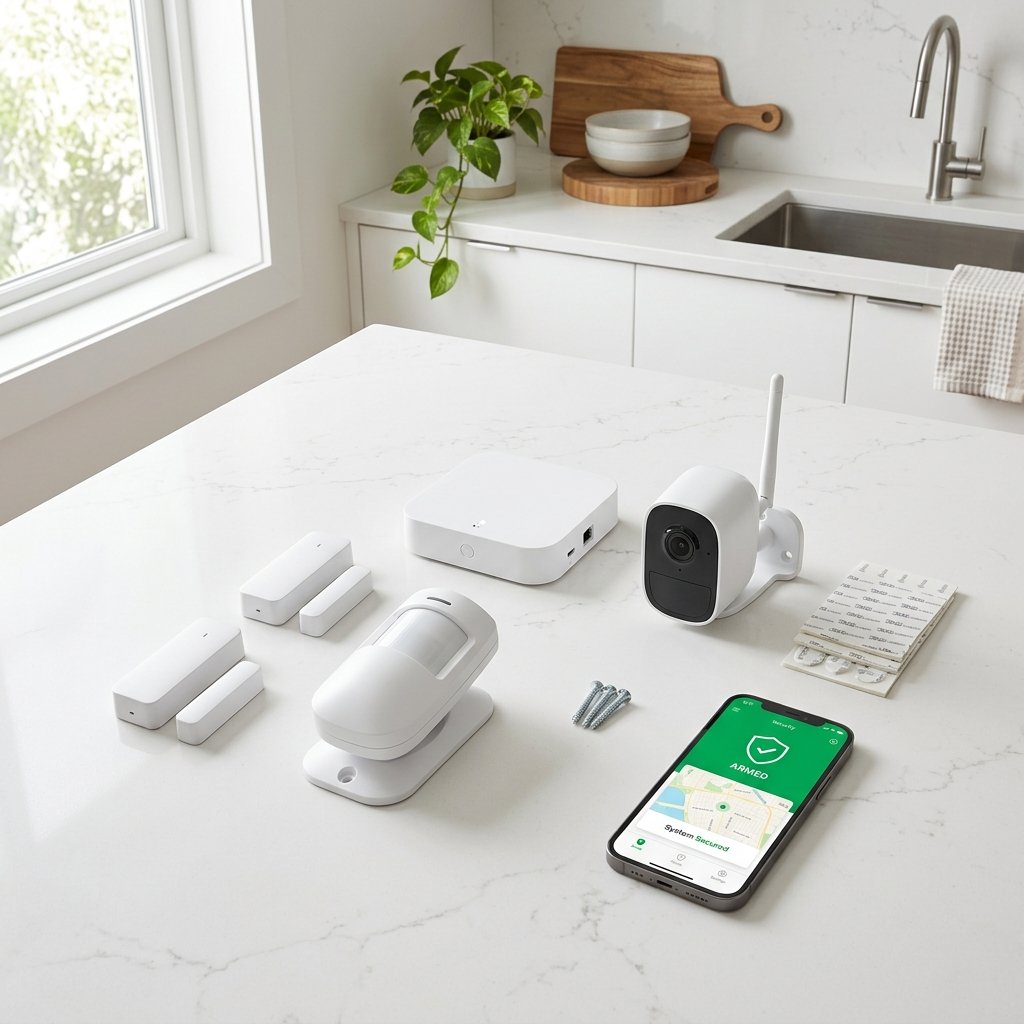
A DIY home security system is a kit you install yourself. It typically includes a base station or hub, door and window sensors, motion detectors, and cameras. The devices connect over WiFi or cellular and are managed through a mobile app for arming, disarming, and viewing video.
Setup is designed to be simple. Most systems use adhesive strips and plug-and-play devices, so installation is often under an hour with no tools or drilling required. According to Security.org's 2026 research, 78 percent of consumers open to self-installation feel comfortable setting up a system on their own, including connecting devices to WiFi and using the app.
DIY Strengths
- Lower cost: no installation fee, cheaper monitoring, often no contract
- Full control: add or remove devices whenever you want
- Flexibility: take it with you when you move
- Renter friendly: no permanent changes to the property
- Self-monitoring option: pay nothing monthly if you watch alerts yourself
DIY Trade-offs
- You're responsible for correct placement and setup
- Self-monitoring means you must respond to alerts yourself
- Some devices (like wired video doorbells) may still need professional hardwiring
- Large or complex homes can be harder to cover well on your own
Is DIY Home Security Worth It?
For most small-to-medium homes and for renters, yes. You get the same core protection at a much lower cost, with no contract locking you in. The main question is whether you're comfortable handling setup and deciding how to respond to alerts, or whether you'd rather add professional monitoring to a self-installed system. For larger or more complex homes, the answer leans more toward professional.
What Professional Installation Actually Means
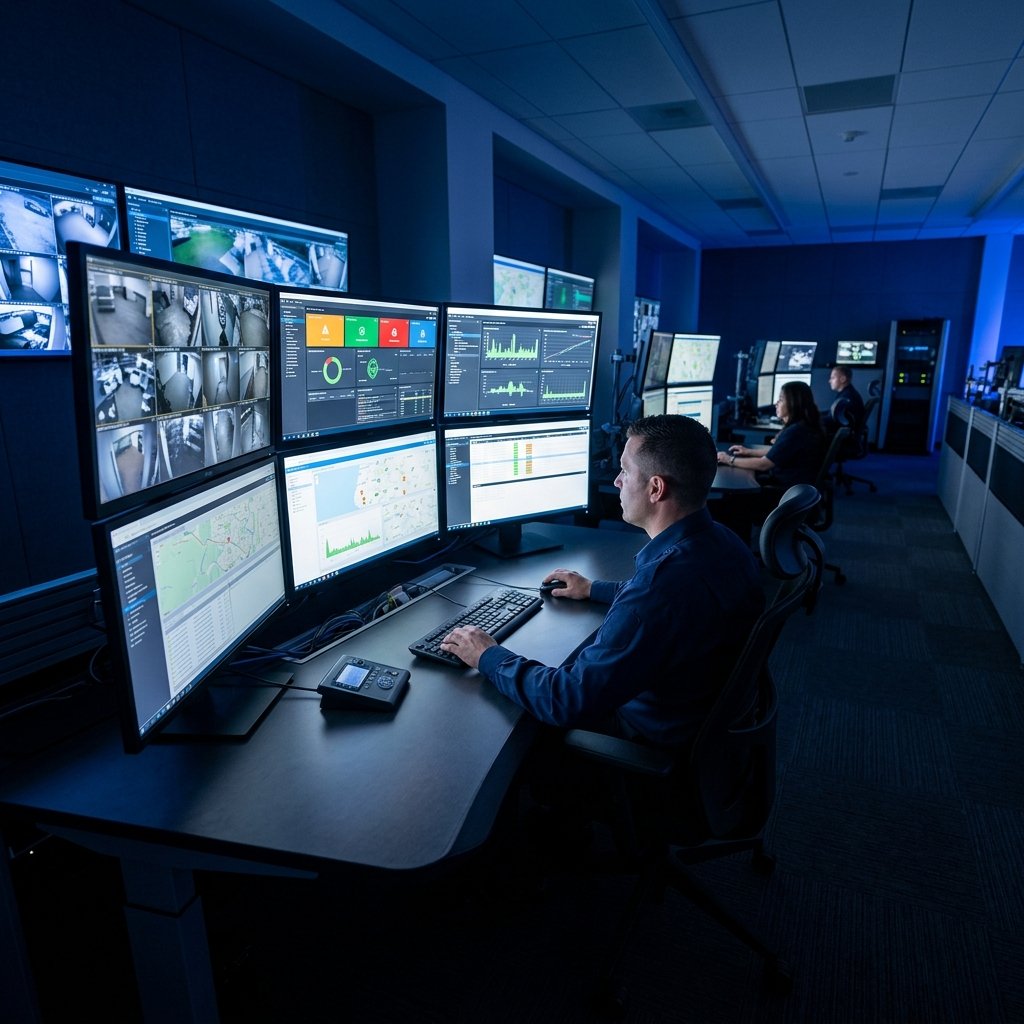
With professional installation, a licensed technician sets up your equipment, including control panels, sensors, motion detectors, and security cameras. They ensure proper placement, test everything, and often integrate the system with smart home devices. Professional systems almost always include 24/7 professional monitoring as part of the package. When people compare self monitored vs professional monitoring, this is the core trade-off: self-monitoring saves money but puts alert response on you, while professional monitoring hands that responsibility to a trained center.
Professional Strengths
- Expert setup: technician ensures correct placement and coverage
- Fully hands-off: nothing for you to install or troubleshoot
- 24/7 professional monitoring: trained center dispatches emergency services
- Better for complex homes: handles wiring, large layouts, integrations
- Maintenance often included: inspections and device replacements covered
Professional Trade-offs
- Higher cost: installation fee plus higher monthly monitoring
- Contracts: often locked into 12 to 36 months
- Less flexible: moving or changing the system can be harder
- Appointment required: you must be home for a half-day or full-day install
The Real Cost Difference
Cost is usually the deciding factor, so let's break it down honestly across the first year and beyond. Professional home security installation cost includes equipment, an installation fee, and higher monthly monitoring, while DIY shifts most of that to a one-time equipment purchase you set up yourself.
| Cost Element | DIY | Professional |
|---|---|---|
| Equipment | $200 to $600 | $600 to $2,000+ |
| Installation | $0 (self-install) | $49 to $250 (sometimes waived) |
| Monthly monitoring | $0 to $30 (avg ~$24) | $30 to $60 (avg ~$42) |
| First-year total | ~$200 to $960 | ~$1,000 to $2,750 |
Over several years, the monitoring difference adds up. At about $18 per month more for professional monitoring, that's roughly $216 per year or over $1,000 across a typical contract. For reference, professional installation fees run about $49 to $250 (US News), and a full professionally installed system typically costs $1,000 to $2,500 (BestCompany). Whether that's worth it depends on how much you value hands-off convenience, expert setup, and included maintenance.
Not sure which approach fits your home and budget?
Our advisors help homeowners weigh DIY against professional options honestly, based on your home size, budget, and how hands-on you want to be. Free consultation, no pressure.
Call (855) 248-8052Who Actually Chooses What (From Our Conversations)
Beyond the specs, here are the patterns our advisors see in who tends to choose DIY versus professional across the country:
- Renters and younger homeowners in urban areas like California, Texas, and the Northeast lean heavily DIY. No drilling, no contract, and the ability to take the system to the next apartment matters more than hands-off convenience.
- Homeowners with larger or older homes, especially in the Southeast and Midwest, more often choose professional installation. Complex layouts, existing wiring, and multiple entry points are genuinely easier for a technician to handle well.
- Older homeowners and those helping aging parents frequently prefer professional installation for the hands-off setup and the reassurance of a trained monitoring center, even at the higher monthly cost.
- Budget-focused homeowners across every region increasingly start with DIY and self-monitoring, then add professional monitoring later once they see the value. Starting small and upgrading is a common and reasonable path.
The honest takeaway: the right choice tracks less with the home and more with the homeowner's comfort level and priorities.
Which One Is Right For You?
Match your situation to the approach that usually fits best.
Choose DIY if...
- You want the lowest cost and no contract
- You rent, or expect to move within a few years
- You're comfortable with a simple app-guided setup
- Your home is small to medium with straightforward entry points
- You want the option to self-monitor for free
Choose Professional if...
- You want a completely hands-off setup
- Your home is large, older, or has complex wiring
- You want guaranteed 24/7 professional monitoring without managing it
- You value included maintenance and expert support
- You plan to stay in your home long term
Can You Mix Both Approaches?
Yes, and many homeowners do. The DIY vs professional line has blurred in recent years. Common hybrid approaches include:
Self-install with professional monitoring
You install the equipment yourself to save on installation, then pay for a professional monitoring plan so a trained center handles alerts and dispatch. This can also qualify for insurance discounts, since most insurers require professional monitoring with UL-listed certification.
DIY core plus professional for tricky parts
You handle the easy sensors and cameras yourself, then hire a professional only for the parts that need hardwiring, like a wired video doorbell or a complex integration.
Start DIY, upgrade later
Begin with a self-monitored DIY setup, then add professional monitoring once you decide it's worth it. This lets you spread out the cost and commitment.
This flexibility is exactly what we help homeowners think through. There's no single right answer, and the best setup often combines the strengths of both. If you want help mapping this out, our guide to new home security installations covers what a full setup looks like.
Frequently Asked Questions
Quick answers to the questions US homeowners most often search about DIY versus professional home security.
Is DIY home security as good as professional?
For most homes, yes, in terms of protection. DIY systems use the same sensors, cameras, and monitoring options. The difference is setup responsibility and convenience, not security quality. Professional installation is better for large or complex homes where correct placement is harder.
How much cheaper is DIY home security?
Significantly. DIY monitoring averages about $24 per month versus $42 for professional, with no installation fee (versus $49 to $250) and usually no contract. First-year DIY costs often run $200 to $960 versus $1,000 to $2,750 for a professional system.
Do DIY security systems require a contract?
Usually not. Most popular DIY providers offer contract-free monitoring you can cancel anytime, and many allow free self-monitoring. Professional systems more often require multi-year contracts of 12 to 36 months.
Can I get professional monitoring with a DIY system?
Yes. Many DIY systems offer optional professional monitoring plans. This hybrid approach lets you install the equipment yourself to save money while still getting 24/7 monitoring and qualifying for homeowner insurance discounts.
Is DIY home security hard to install?
Usually not. Most DIY systems are designed for easy setup with adhesive strips and app guidance, often under an hour. Security.org research found 78% of people open to self-installation feel comfortable doing it. Some wired devices may still need professional help.
Does DIY home security qualify for an insurance discount?
It can, but usually only if you add professional monitoring with UL-listed certification. Self-monitored DIY systems typically don't qualify. Check with your insurer, since the discount often requires proof of professional monitoring.
Is professional installation worth the extra cost?
It depends on your priorities. If you want a completely hands-off setup, have a large or complex home, or value included maintenance and expert placement, professional installation is often worth it. If cost and flexibility matter more, DIY usually wins.
Can I switch from professional to DIY later?
Yes, though it depends on your contract and equipment. Some professional equipment is leased and must be returned, while purchased equipment may be reusable. Always check contract terms before switching to avoid early termination fees.
Which is better for renters, DIY or professional?
DIY is almost always better for renters. It requires no drilling or permanent changes, installs in under an hour, and can be uninstalled and taken to your next home. Professional systems are usually designed for owned homes.
What happens to my DIY system during a power or internet outage?
It depends on the setup. Systems with cellular backup and battery backup continue working during outages, while WiFi-only self-monitored systems may go offline. If outage reliability matters, choose a system with cellular and battery backup regardless of DIY or professional.
Related Reading
More honest guides from Home Secure Connect:
- Do You Actually Need a Home Security System? An Honest Answer
- How Do Burglars Actually Choose Which Homes to Break Into?
Explore our home security services:
- New Home Security Installations
- 24/7 Professional Monitoring
- Security Cameras & Doorbell Cameras
- Home Security Overview
Get a Second Opinion, Free
Whether DIY or professional is right for you comes down to your home, your budget, and how hands-on you want to be. There's no wrong answer, only the right fit for your situation.
Home Secure Connect is an independent home security advisor. We help homeowners across the USA compare DIY and professional options honestly from our trusted provider partners, and recommend the setup that actually fits, not the one that pays the highest commission. Free consultation. No obligation. No pressure.
Call (855) 248-8052Available Mon to Sun, 10am to 8pm ET
Trending This Week
How to Choose Between Home Security Providers
July 20, 2026 · 7 min read
A Renter Guide to Home Security: Protecting Your …
July 22, 2026 · 9 min read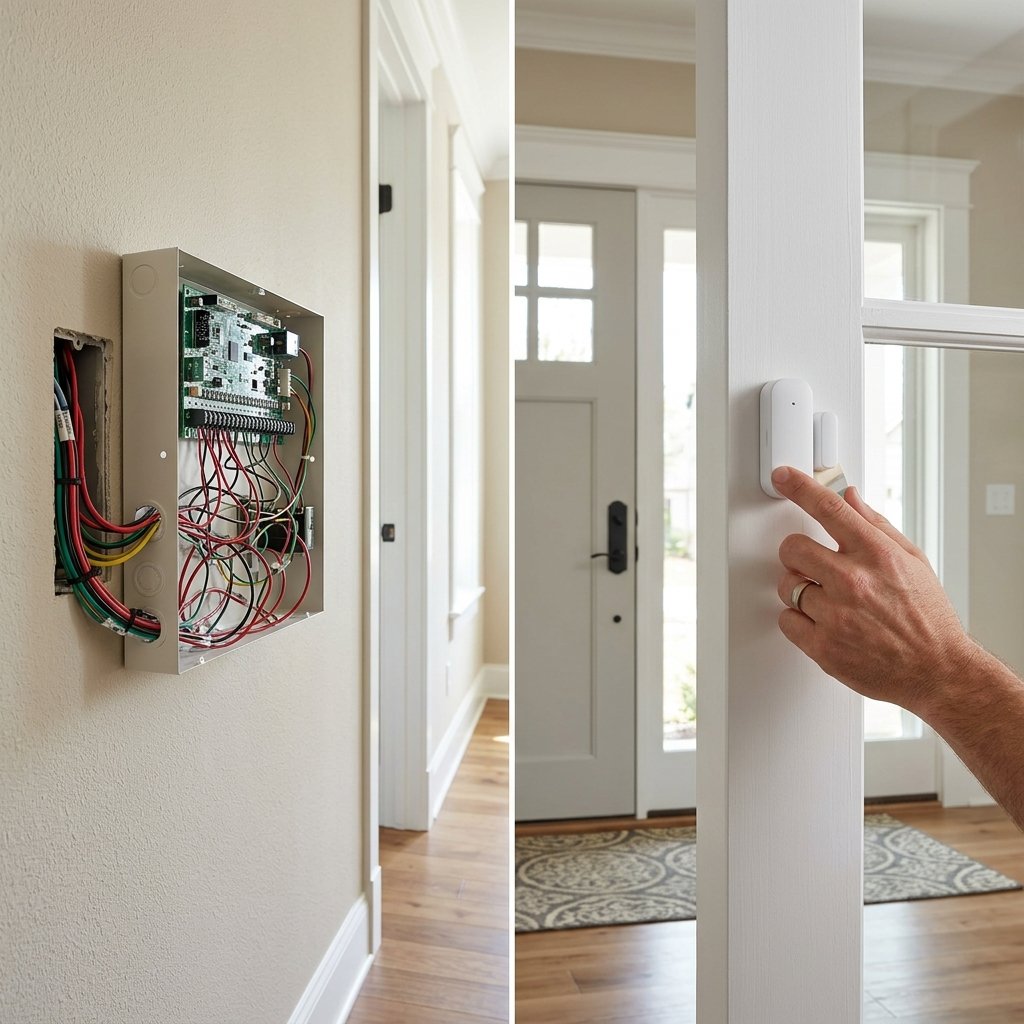
Wireless vs Wired Home Security Systems: Which Is…
July 15, 2026 · 9 min read